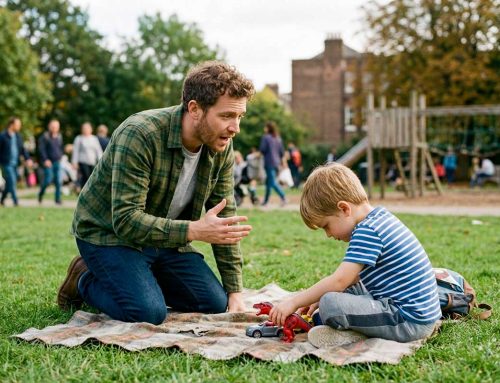
If you’ve ever reminded your child to take out the trash for the tenth time, asked why the laundry is still sitting in the dryer, or finally given up and done the job yourself, you’re not alone. Chores can easily become a source of frustration, nagging, and conflict in family life.
But what if there were a better way?
Instead of simply assigning chores, what if we focused on teaching our children valuable life skills? Rather than asking, “What chores should my child do?” we can begin asking, “What skills does my child need to learn to become a capable, responsible adult?”
That shift can transform the way our children contribute at home—and the way we parent them.

Move From Chores to Life Skills
Traditional chores often focus on completing a task: Make your bed. Take out the trash. Clean your room. Wash the dishes.
There’s nothing inherently wrong with those responsibilities. But if our goal is to prepare children for adulthood, we can go much further.
Instead of simply telling a child to do laundry, teach them how to do laundry. Instead of assigning grocery shopping as a chore, teach them how to plan meals, create a grocery list, compare prices, and shop responsibly.
Instead of telling them to clean the kitchen, teach them how to properly use cleaning supplies, organize the space, and know what “clean” actually looks like.
The goal isn’t merely getting the house cleaned. The goal is building capable people.
Proverbs 22:6 reminds parents to
Training involves more than giving instructions. It involves teaching, modeling, practicing, and gradually giving children greater responsibility.
Give Your Children a Definition of “Done”
One reason chores create conflict is that children and parents may have very different ideas about what “finished” means.
You may think the bathroom is clean when the sink is wiped, the mirror is spotless, the floor is swept, and the towels are hung up. Your child may think putting a towel on the floor counts as cleaning.
Skill-building changes the conversation.
When you teach a skill, establish a clear definition of done. Show your child what success looks like, let them practice it, and give them opportunities to improve.
This approach moves the parent from being a constant reminder machine to becoming a coach.
And coaching is much more effective than nagging.
Teach Skills That Prepare Kids for Life
Think beyond the normal household chore list.
Children can learn how to:
- Plan and help organize a family trip
- Grocery shop and compare prices
- Prepare meals and cook
- Do laundry
- Organize and manage their belongings
- Make appointments
- Understand basic household finances
- Cancel subscriptions they no longer need
- Solve everyday problems independently
- Take responsibility for family projects
These aren’t merely chores. They’re skills your children can carry into adulthood.
Learning to contribute to the family teaches children that they are part of something bigger than themselves.
They aren’t just completing tasks because Mom or Dad said so. They’re learning how to serve, contribute, solve problems, and care for the people around them.
Celebrate Progress, Not Just Completion
Children thrive when they can see their progress.
Rather than constantly reminding children about unfinished responsibilities, consider creating opportunities for them to master new skills. As they demonstrate competence, celebrate those milestones.
Rewards can be helpful, but the greatest reward is the growing confidence that comes from being trusted with something new.
This also provides an opportunity to teach biblical principles about diligence and stewardship.
Whether your child is cooking dinner, folding laundry, helping plan a vacation, or managing a small responsibility, you can remind them that their work matters to God.
Practical Takeaways for Parents
If you’re ready to move beyond the traditional chore system, start small:
1. Choose one skill.
Pick something your child doesn’t yet know how to do.
2. Teach instead of tell.
Don’t simply give instructions. Demonstrate the skill and explain why it matters.
3. Define what success looks like.
Make “done” clear and measurable.
4. Let them practice.
Expect mistakes. Learning requires repetition.
5. Gradually increase responsibility.
As your child masters one skill, introduce another.
6. Celebrate growth.
Recognize their increasing competence and willingness to contribute.
Raise Capable Kids, Not Just Compliant Kids
Our ultimate goal as Christian parents isn’t simply to raise children who obey a list of household rules. We want to raise children who are becoming wise, responsible, generous, capable adults who understand how to serve others.
So perhaps the question isn’t, “What chores should my kids be doing?”
Maybe it’s, “What skills can I teach my children today that will help them for the rest of their lives?”
When we make that shift, we move from managing tasks to developing people.
And isn’t that what parenting is really about?
Stop fighting over chores. Start building skills. Teach your children, coach them through the process, give them meaningful responsibility, and trust God to use those everyday lessons to shape the adults they are becoming.